Top Picks for Jamaican Food in Denver With Great Reviews
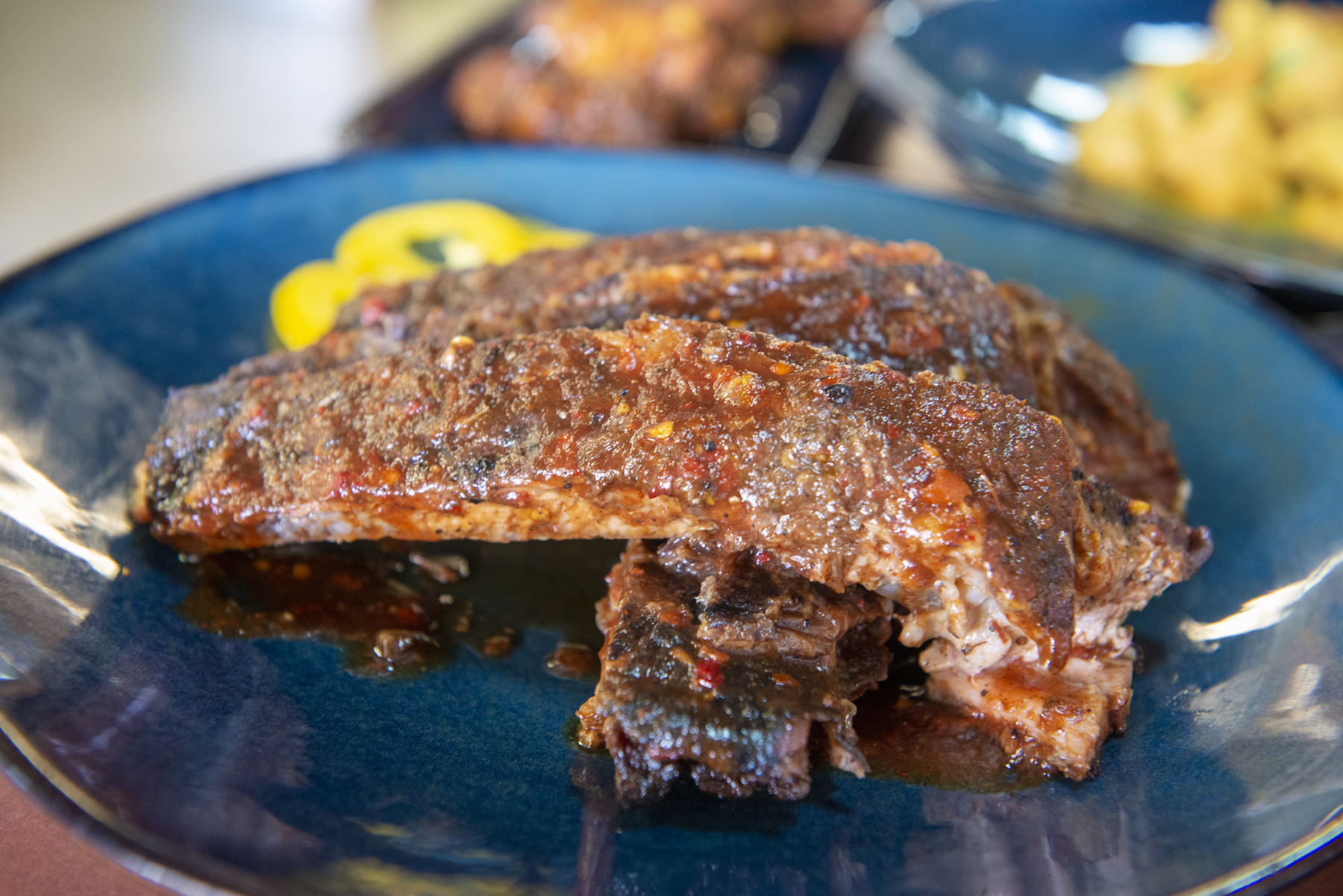
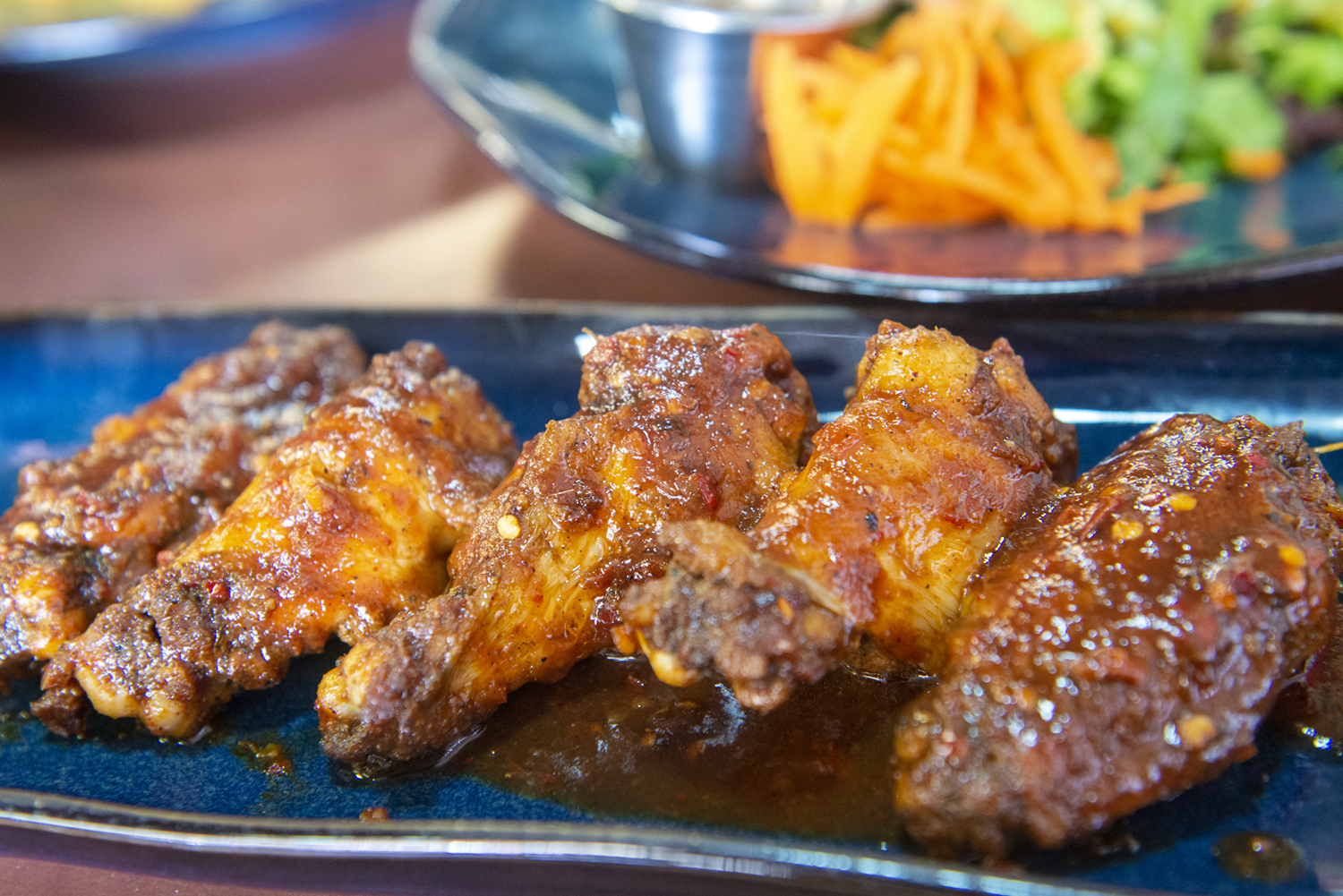
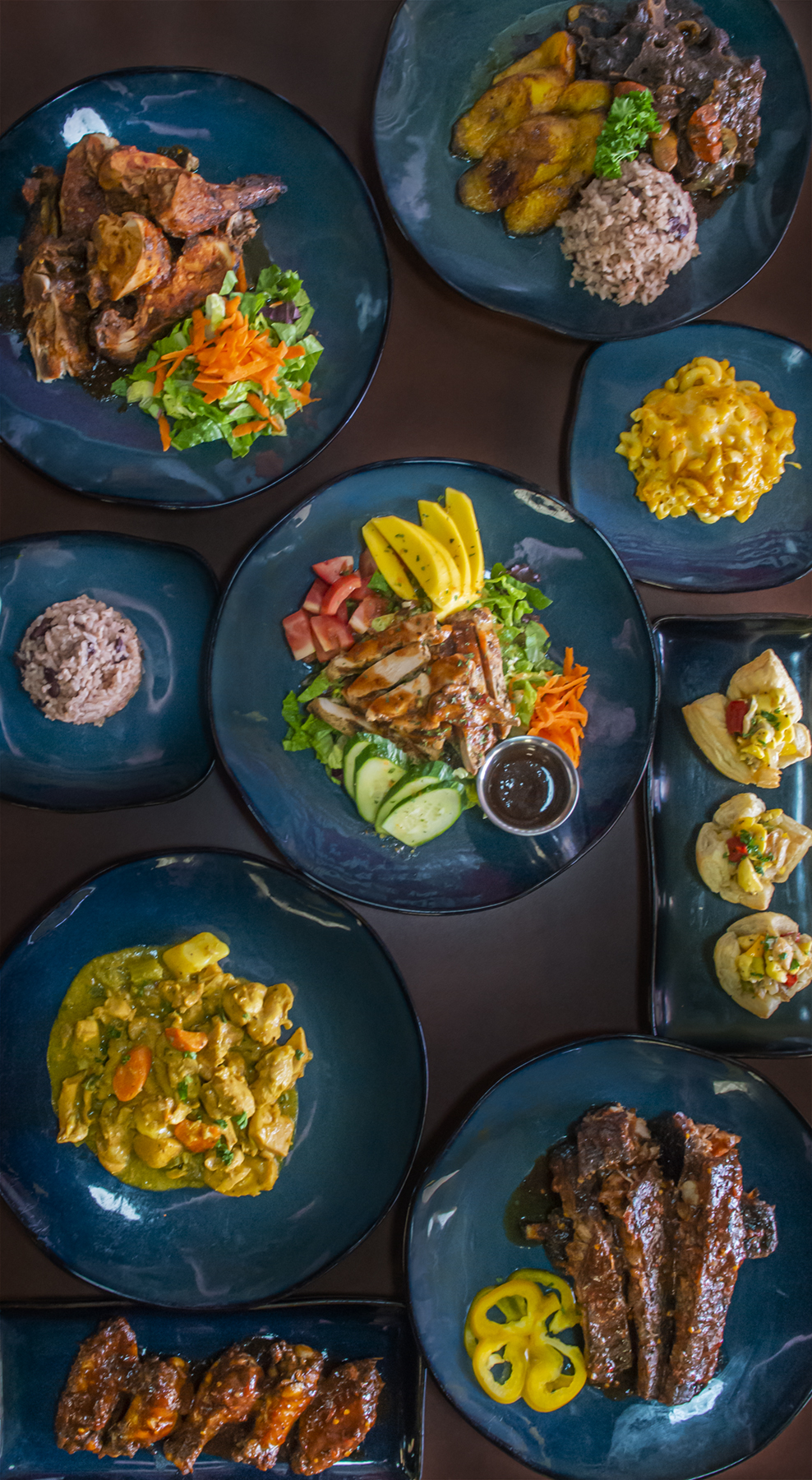
Denver is not the first city most people associate with Jamaican cooking, which is exactly why the best meals can feel so memorable here. When you find a kitchen that gets the jerk right, treats oxtail with patience, and serves rice and peas that taste like someone actually cared about the pot, it stands out fast. Good Jamaican food is not just about heat. It is about smoke, allspice, thyme, scallion, Scotch bonnet, browning, texture, and timing.
That matters in a city where diners often rely on star ratings before they rely on instinct. Reviews can be useful, but they can also flatten the experience. A five-star post might rave about generous portions and say nothing about whether the jerk had proper char. Another might complain about spice when what the kitchen delivered was balance. When people search for jamaican food denver, they are usually not just looking for any Caribbean plate. They want the places that locals return to, the dishes worth driving across town for, and the cues that separate a decent lunch from a meal you think about later.
The strongest picks in Denver tend to share a few traits. They season aggressively, they do not rush long-cooked meats, and they understand that sides are not filler. Cabbage should bring relief and freshness. Plantains should be sweet without tasting tired. Curry should be warm and layered, not just yellow and thick. If you have eaten a lot of Jamaican food, you can usually tell within a few bites whether the kitchen is cooking from habit or from memory.
What “great reviews” should actually mean for Jamaican restaurants
A restaurant can earn high marks for many reasons that have nothing to do with culinary quality. Fast service, huge portions, and a friendly owner all matter, and they should. Hospitality counts. Still, when you are trying to narrow down the best-reviewed Jamaican food in Denver, reviews become more useful when they mention specific details rather than broad praise.
The comments worth trusting often describe flavor with precision. People mention smoke on the jerk, tenderness in the oxtail, or the contrast between spicy meat and mellow rice and peas. They note whether patties have a flaky shell rather than a bread-like crust. They talk about gravy, about broth, about whether the cabbage still had some bite. That kind of language usually comes from someone who noticed the food, not just the wait time.
Reviews are also more meaningful when they reveal repeat business. One glowing first impression can happen anywhere. What carries weight is the diner who says they have tried several dishes over several visits and keep coming back for the same plate, or branch out because the kitchen has earned trust. For Jamaican spots in Denver, consistency matters even more than novelty. These menus are built on fundamentals. If the fundamentals slip, regulars notice immediately.
A final point that gets overlooked, spice tolerance varies wildly. One diner’s “too hot” is another diner’s “finally, they did not hold back.” When reading reviews, it helps to look past emotional shorthand and search for clues about technique. Was the jerk blackened in a good way or dry? Was the curry fragrant or one-note? Did the chicken taste marinated or merely sauced? Those are the details that point toward a truly strong pick.
The dishes that separate the average spot from the memorable one
You can learn a lot about a Jamaican kitchen by ordering the dishes that leave little room to hide. Oxtail is a test of patience. Jerk chicken is a test of confidence. Curry goat is a test of balance. Patties are a test of discipline.
Oxtail should arrive rich but not greasy, tender but not falling into mush. The sauce ought to have body from long cooking rather than from heavy-handed thickener. Beans, when included, should feel integrated into the braise instead of tossed in as an afterthought. In Denver, where many restaurants have to manage prep and labor carefully, a genuinely good oxtail plate often signals that the kitchen respects the old slow methods.
Jerk chicken is a different story. It is the dish that many newcomers order first, and for good reason. The challenge is that “jerk” gets diluted easily in American dining. Too often it becomes grilled chicken with a sweet-spicy glaze. Real character comes from marinade depth, smoke, and a little roughness around the edges. A polished plate is nice, but jerk should not taste timid. The best versions in town usually carry allspice and heat first, then smoke, then the savoriness of the meat itself.
Curry goat tells you whether the kitchen understands restraint. Goat needs enough time to soften, but the seasoning needs shape too. A strong curry goat does not taste dusty or flat. It tastes warm, aromatic, and gently fierce, with the meat absorbing spice rather than sitting underneath it.
Then there are patties. They are often treated like a side item or quick snack, yet they reveal a lot. The shell should be flaky and buttery, with enough structure to hold the filling without turning dry. Beef should be seasoned distinctly. Chicken should not disappear into mush. Vegetable patties need real flavor, not just the virtue of being meatless.
If a restaurant in Denver handles those four well, the rest of the menu usually follows.
How Denver’s dining patterns shape Jamaican food
Denver is a city of neighborhoods, car trips, takeout habits, and mixed expectations. That influences how Jamaican restaurants operate. Some spots lean heavily into fast-casual service because lunch traffic matters. Others function best as takeout destinations where the food travels surprisingly well, especially braised meats, rice plates, and patties. A few places become neighborhood anchors, the kind where staff recognize regulars and gently steer first-time customers toward safer or spicier options.
This matters because your best meal might not come from the slickest dining room. In fact, with Jamaican food, some of the strongest plates come from modest storefronts where the priorities are clearly in the kitchen. A counter-service restaurant with a short menu may produce better jerk than a bigger place trying to cover every corner of Caribbean cuisine. Breadth can be impressive, but tight execution usually wins.
Denver’s altitude and climate are not the central story, but they do subtly affect expectations. Diners here often crave hearty, warming meals, especially when the weather turns. That is one reason oxtail, curry goat, and richly sauced chicken perform so well. A deeply flavored plate with rice and peas and steamed cabbage fits the city’s appetite for comfort while still bringing a flavor profile many people are not cooking at home.
The top picks are usually built around a signature strength
If you are trying to sort through great reviews and decide where to go first, it helps to think in terms of signature strengths rather than generic rankings. The best Jamaican restaurants in Denver are rarely the best at everything for everyone. More often, each standout place earns loyalty for one or two dishes it does especially well.
Some kitchens are jerk specialists. You go there because the smoke is right, the marinade penetrates, and the chicken keeps its moisture. These are the places where ordering mild can feel like missing the point. If a restaurant has built a reputation on jerk, trust that reputation and start there.
Other kitchens win on braises. Their oxtail and curry goat are the draw, with gravies that soak into the rice in exactly the way you hoped they would. These spots tend to appeal to regulars who care less about flash and more about depth. They may not be the fastest option at noon, but they reward patience.
Then there are the places known for balance across the whole plate. The meat is good, certainly, but what diners remember is how complete the meal feels. The cabbage is fresh, the plantains are correctly caramelized, the rice and peas are fragrant, and the portions make sense. These restaurants often get the broadest praise because they deliver a full experience rather than one headline item.
A smaller group earns attention through snackable favorites, especially patties and coco bread. That kind of place becomes useful in a different way. You may not plan a sit-down meal around it every time, but you remember it when you need a quick, satisfying lunch that still carries real flavor.
What to look for in reviews before you choose a place
If you are narrowing down your options online, a few review patterns tend to be more revealing than star counts alone.
- Look for comments about specific dishes, especially jerk chicken, oxtail, curry goat, and patties.
- Give extra weight to reviews that mention repeat visits rather than one-time excitement.
- Notice whether diners talk about seasoning, smoke, tenderness, and sides, not just portion size.
- Check the most recent feedback for signs of consistency, since smaller restaurants can change quickly.
- Read a few lower-rated reviews too, because they often reveal whether complaints are about flavor, wait times, or spice expectations.
That short review audit will tell you more than a generic “best in town” label ever will.
Ordering well the first time
There is no need to overcomplicate a first visit. Jamaican menus reward focus. If you go in trying to sample half the board, you can end up spending a lot without learning much. A better move is to order one signature meat, one side-heavy plate, and maybe a patty if it is available fresh.
For first-timers, jerk chicken is still the most useful benchmark, provided the restaurant is known for it. It shows how the kitchen handles marinade, spice, and fire. If you prefer braised dishes, start with oxtail if the price works for you, or curry goat if you want something a little leaner in feel but still rich in flavor. Rice and peas should always stay on the tray unless there is a compelling reason otherwise. White rice has its place, but rice and peas tells you more about the house.
Steamed cabbage is one of the most underrated choices on the plate. At a good spot, it does more than fill space. It cuts richness and refreshes your palate between bites of intensely seasoned meat. Plantains, meanwhile, are worth ordering when the kitchen is moving enough volume to keep them fresh. When they are right, they add sweetness and texture. When they are tired, they can drag the meal down.
Here is a simple order strategy that works well in most places:
- Start with jerk chicken if the restaurant is known for smoke and heat.
- Choose oxtail when you want the kitchen’s most labor-intensive, high-reward dish.
- Add a beef or chicken patty if you want a fast read on the pastry program.
- Keep rice and peas on the plate whenever possible.
- Use cabbage or plantains to round out the meal rather than chasing extra protein.
This is especially helpful for anyone searching jamaican food denver for the https://traviswtev143.zenbloomer.com/posts/best-jamaican-food-in-denver-for-a-taste-of-the-islands first time and trying to avoid an expensive miss.
Price, portion size, and where value really lives
Jamaican food often looks straightforward on paper, but the economics are not always simple. Oxtail is expensive. Goat is expensive. Labor is expensive. Marinades take time, and good sides are not free to produce either. That means the best-reviewed Jamaican spots in Denver may not always feel cheap, even when they are informal.
Value has more to do with satisfaction than volume. A giant tray of under-seasoned chicken and bland rice is not a bargain. A slightly pricier plate of deeply flavored oxtail that leaves you content for the rest of the day often is. Denver diners sometimes fixate on portion size in reviews, and that is understandable, but it can skew the conversation. Jamaican food is at its best when it is cooked with intention, not when the container barely closes.
Lunch specials can be excellent, particularly if a restaurant offers smaller portions of signature dishes. Patties and combo plates also provide a lower-risk entry point. If you are unsure about a spot, that is often the smartest first order. It lets you test seasoning and kitchen rhythm without committing to the most expensive item on the menu.
Service matters, but in a specific way
Good service in a Jamaican restaurant does not always look like polished fine-dining choreography. Sometimes it looks like honest guidance. It looks like someone at the counter telling you the curry is milder than the jerk, or warning you that the kitchen sold out of a dish because they would rather tell the truth than bluff. It looks like a staff member explaining sides to a new customer without impatience.
Denver diners tend to reward warmth and clarity, and they should. The best-reviewed spots often build strong followings because they make people feel comfortable returning. That matters with cuisines that some guests may still be learning. A first-time customer who gets a useful recommendation is far more likely to come back than one who feels rushed into ordering something that does not match their tastes.
That said, busy service is not bad service. Small kitchens can get backed up, especially when braised dishes need finishing or when lunch rush collides with takeout demand. Reviews that complain only about waits do not always indicate a problem. Sometimes they simply reflect a place with limited staff and strong demand. The useful question is whether the food justified the delay.
The challenge of consistency, and why repeat visits matter
One hard truth about restaurant lists is that they age fast. A kitchen can be excellent one year and uneven the next. Ownership shifts. Staff turns over. A pit master leaves. Costs rise. Menus shrink. This is particularly true for smaller independent restaurants, which often carry a lot of the burden and brilliance in the Jamaican food scene.
That is why the real top picks are the places that survive repeat scrutiny. If a restaurant still gets praise months later for the same core dishes, pay attention. If regulars keep returning for jerk, goat, or patties and saying the flavors still hit, that is the strongest review of all. Consistency is harder than a grand opening burst of enthusiasm.
If you live in the area, it is worth revisiting strong contenders at different times. Try a lunch plate and then a later dinner order. See how the food travels. Some dishes actually improve after a short rest in the container, especially braises. Jerk can be more variable. Fresh off the grill or out of the pan, it tells a fuller story.
How locals usually separate the good from the forgettable
Among diners who know the cuisine, praise tends to focus less on trendiness and more on whether a restaurant respects the basics. Nobody serious about Jamaican cooking gets distracted for long by flashy menu wording. They want seasoning that reaches the bone, gravies with depth, patties with proper structure, and sides that are treated as food rather than garnish.
The restaurants that rise in Denver usually do so because they make people feel fed in the full sense of the word. Not just full, fed. That means generosity, yes, but also familiarity, confidence, and flavor that does not apologize for itself. It means food that stands up to takeout containers. It means spice that tastes intentional. It means a plate that makes enough sense that you are already planning the return visit before you finish the last plantain.
For anyone hunting down the best-reviewed Jamaican food in Denver, that is the standard worth using. Not whether the restaurant has the loudest following or the prettiest photos, but whether the food shows patience, personality, and command. When you find that combination, the reviews usually make sense. More importantly, the meal does too.
Reggae Pot Jamaican Grill
Address: 2243 S Monaco St Pkwy #104, Denver, CO 80222
Phone number: +17204102956
FAQ About Jamaican Food Denver
What is typical Jamaican food?
Typical Jamaican food features bold, vibrant flavors created by blending African, Taino, European, and Asian influences.
What is a famous Jamaican dish?
Ackee and saltfish is Jamaica's national dish, made by sautéing the soft local ackee fruit with salted cod, onions, tomatoes, and spicy Scotch bonnet peppers.
What food is most popular in Jamaica?
The most popular and famous food in Jamaica is Jerk Chicken, celebrated worldwide for its smoky, spicy flavor.