The Ultimate Jamaican Food Bucket List

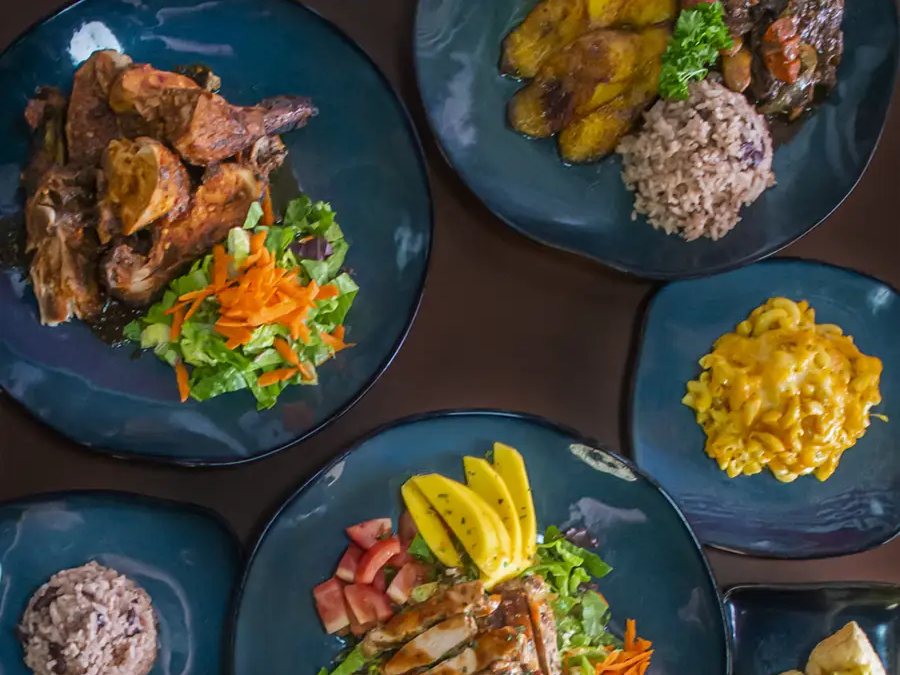
Jamaican food has a way of staying with you. It lingers in the air before it reaches the plate, clings to your fingertips long after the last bite, and settles in memory with unusual force. A proper bucket list for Jamaican food cannot stop at naming famous dishes. It has to capture where those dishes belong, what they should smell like, how they ought to be served, and what separates a great version from one that merely checks the box.
The island’s cooking reflects movement, hardship, ingenuity, and appetite. African techniques, Indigenous ingredients, Spanish influence, British colonial habits, Indian spices, Chinese migration, and Rastafarian philosophy all left marks on the table. What emerged is not a scattered collection of recipes but a cuisine with deep internal logic. Smoke, heat, freshness, pimento, thyme, scallion, Scotch bonnet, ginger, and allspice appear again and again, yet the results never feel repetitive. Jamaican food is assertive, but it is also nuanced. The best meals know when to hit hard and when to hold back.
If you want to eat through the essentials, these are the dishes worth chasing, with a few notes on what to look for and why they matter.
Jerk chicken, the benchmark dish
If there is one plate that belongs at the top of any Jamaican food bucket list, it is jerk chicken. Not the sweet, sticky version sold in malls, and not the timid interpretation that uses barbecue sauce as a shortcut. Real jerk is layered. The heat is there, certainly, but it should never be one-dimensional. A proper marinade carries scallion, thyme, garlic, ginger, Scotch bonnet, pimento, and often a little sweetness to round out the burn. Then the cooking method does the heavy lifting.
The most memorable jerk chicken is cooked over pimento wood, often in a barrel or traditional pit setup, where the smoke perfumes the meat slowly. The outside darkens and chars without turning acrid. Under that crust, the flesh stays juicy. Every bite should give you spice, smoke, salt, and a faint resinous sweetness from the wood. If the chicken tastes only hot, it is missing the point.
In Jamaica, jerk often comes with festival, roast breadfruit, bammy, or hard dough bread. That combination is not accidental. The starch cools the palate and catches the juices. I have had jerk served on its own, and while it still works, it feels incomplete. The accompaniments are part of the experience, not garnish.
Jerk pork, the richer cousin
Jerk pork deserves equal billing, even though chicken tends to dominate international menus. Pork carries the marinade differently. The fat holds onto smoke and spice, making the flavor deeper and more lingering. A good jerk pork chop or shoulder cut should have crisp edges, rendered fat, and enough chew to feel substantial. Done well, it is one of the great street foods anywhere.
There is also a practical point here. Chicken is easier to execute consistently. Pork, especially in large batches, can turn dry or overly salty if handled carelessly. So when you find a stall or cook who gets jerk pork right, take it seriously.
Ackee and saltfish, the national dish for good reason
Ackee and saltfish is the dish that teaches people not to judge Jamaican food by appearance alone. Ackee, when cooked properly, looks a little like scrambled eggs, but the texture is softer and more delicate, almost buttery. Saltfish brings the salinity and chew, while onion, tomato, scallion, thyme, and Scotch bonnet provide brightness and lift.
The balance matters. Too much saltfish and the dish turns harsh. Too much tomato and it becomes watery. Overcook the ackee and it loses its elegance. The best versions let the fruit stay tender and distinct, almost creamy, while the fish seasons everything around it.
This is often eaten at breakfast, though it can work at any hour. Served with fried dumpling, roasted breadfruit, boiled green banana, or yam, it becomes a full meal with real staying power. The first time many visitors try it, they focus on the novelty of ackee. After a few bites, they usually understand why Jamaicans treat it with such affection. It is home food, but it is also a dish of technique.
Curry goat, built for patience
Curry goat is not a dish for rushed kitchens. Goat needs time, and Jamaican cooks know it. The meat should be marinated well, browned properly, and simmered until it turns tender without collapsing into threads. The sauce should be rich, clingy, and fragrant with curry powder, garlic, ginger, scallion, thyme, and Scotch bonnet.
Jamaican curry has its own identity. It is often warmer and earthier than many South Asian curries, with a rounded spice profile rather than sharp acidity. Some cooks burn the curry powder lightly in oil before adding liquid, which deepens the flavor dramatically. When that step is done right, the whole pot takes on a darker, more developed character.
Curry goat often appears at celebrations, family gatherings, and Sunday dinners. That context matters because it tells you something about the dish. This is not everyday quick eating. It is food made to feed a crowd, reward patience, and anchor an occasion. Spoon it over rice and peas and you have one of the most satisfying plates on the island.
Oxtail, where richness becomes an art form
Oxtail is another Jamaican classic that rewards slow cooking. The pieces are usually braised until the connective tissue melts into the sauce, creating a glossy, almost sticky finish that coats rice beautifully. Butter beans are a common addition, and they are more than filler. They absorb the gravy and soften the dish’s intensity.
A strong oxtail plate is rich, yes, but it should not feel heavy in a dull way. There should be enough thyme, scallion, pepper, and browning sauce to keep the flavor vivid. The meat should slide from the bone with a little encouragement, not disintegrate before it reaches your mouth. The sauce should be thick enough to cling to a spoon, but not so reduced that it tastes salty.
This is one of those dishes that can easily disappoint outside Jamaica because it is expensive to make properly. Shortcuts show. Thin sauce, under-seasoned meat, and hurried braising flatten what should be a luxurious plate. When you find the real thing, you understand the reverence.
Rice and peas, never an afterthought
Visitors often assume rice and peas is just a side. It is not. It is one of the structural pillars of Jamaican food. Made with rice, kidney beans or gungo peas https://deanszll992.lucialpiazzale.com/traditional-jamaican-food-that-tells-a-story depending on the season and region, coconut milk, thyme, scallion, Scotch bonnet, and sometimes a little allspice, it should be fragrant before you even lift a fork.
The grains should remain separate, not mushy. The coconut should be present but not dominate. The peas should keep their integrity. A whole Scotch bonnet may simmer in the pot to perfume the rice without making it aggressively hot. That subtlety is easy to miss if you are only looking for spice.
Rice and peas appears alongside jerk, curry goat, fried fish, stew chicken, and more, but it has enough character to deserve attention on its own. Some of the best cooks can be judged by their rice. It sounds simple until you taste a version that is truly right.
Escovitch fish, sharp and unforgettable
Escovitch fish offers a different side of Jamaican cooking, one built on contrast rather than smoke or long stewing. A whole fish, often snapper, is fried until the skin turns crisp. Then it is topped with a hot, vinegary dressing of carrots, onions, Scotch bonnet, and pimento berries. The result is vivid and direct.
You get crunch from the fish, brightness from the pickled vegetables, and heat that arrives quickly but does not overstay. The vinegar cuts through the richness of frying, which is why the dish feels so lively on the palate. Served with bammy or festivals, it makes complete sense.
This is also a dish where freshness matters enormously. If the fish is not fresh, no amount of seasoning can rescue it. When it is fresh, escovitch can be one of the most compelling seafood dishes in the Caribbean.
Brown stew chicken, the weeknight masterpiece
Brown stew chicken rarely gets top billing in tourist conversations, but it deserves a place on any serious bucket list. The chicken is seasoned, browned, then simmered with onion, tomato, bell pepper, scallion, garlic, thyme, and a modest amount of liquid until it forms a savory gravy.
The beauty of brown stew chicken is its balance. It does not rely on heavy smoke like jerk or luxurious gelatin like oxtail. Instead, it wins through depth and restraint. The browning gives the sauce color and slight bitterness, which keeps the dish from tasting flat. The vegetables soften into the gravy, enriching it without making it fussy.
Ask many Jamaicans what they grew up eating regularly, and dishes like this come up often. It is practical, comforting, and deeply flavorful. For understanding everyday Jamaican food, it is indispensable.
Patties, the portable obsession
The Jamaican patty may be the island’s most successful ambassador. It travels well, makes sense at any hour, and satisfies in a few bites. The pastry should be flaky and lightly stained with turmeric or curry, while the filling should be well-seasoned and moist without making the shell soggy.
Beef is the classic starting point, but chicken, vegetable, soy, shrimp, and ackee variations all have their place. Spice levels vary, too. A proper spicy beef patty should announce itself, but the heat should support the savoriness rather than erase it.
What many people miss is the full ritual. A patty tucked into coco bread is more than a snack hack. The soft bread tempers the heat, adds bulk, and turns a hand pie into a meal. It is especially useful when you are eating on the move or trying to stretch lunch without spending much.
Mannish water, for the curious and committed
Not every bucket list item needs universal appeal. Mannish water is one of those dishes that tells you whether you want the postcard version of Jamaican cuisine or the whole story. It is a soup traditionally made with goat parts, often including tripe and head, simmered with ground provisions, herbs, and pepper.
The broth is intense, savory, and slightly wild in a way that polished restaurant food rarely allows anymore. Some swear by its restorative power after long nights, weddings, or wakes. Whether you believe those claims or not, the cultural role of the soup is undeniable.
This is not the easiest entry point for newcomers, but it is one of the clearest examples of Jamaican resourcefulness. A cuisine becomes truly interesting when it reveals how people cook beyond the obvious premium cuts.
Ital food, where restraint becomes flavor
Ital cooking, associated with Rastafarian traditions, deserves a firm place on this list because it shows another philosophy entirely. Many Ital dishes avoid meat and often avoid processed ingredients. The emphasis is on natural foods, freshness, and clarity. That can include steamed callaloo, pumpkin stew, lentils, coconut rundown vegetables, and hearty soups built around yam, cho cho, carrots, okra, and coconut milk.
Done badly, vegetarian food can feel like an apology. Done well, Ital food is deeply satisfying because it understands texture and seasoning. Coconut milk adds body, thyme and scallion bring fragrance, and peppers provide lift. The point is not imitation meat. The point is to let vegetables and provisions speak with confidence.
People who think Jamaican food is always heavy, meaty, and fiery should eat a well-made Ital meal. It changes the picture.
Rundown, one of the great sauces
Rundown refers to a cooking style in which coconut milk is simmered down until it thickens and intensifies, often with fish such as mackerel, along with onion, tomato, thyme, and pepper. The coconut becomes savory rather than dessert-like, and the sauce clings beautifully to dumplings, breadfruit, or boiled green bananas.
Mackerel rundown is especially beloved because the fish’s strong flavor stands up to the rich coconut base. It is a dish with personality. You know within one bite whether you like it, and many people end up loving it more than expected.
There is skill in keeping the coconut from splitting unpleasantly or turning greasy. The best rundown feels lush and integrated, not separated or oily. It is one of those preparations that looks rustic but depends on careful handling.
Festival, bammy, and the supporting cast that steal scenes
The side dishes in Jamaican food often punch above their weight. Festival, a lightly sweet fried dough, pairs brilliantly with spicy or acidic mains. Its soft interior and crisp exterior make it one of the most effective companions to jerk or fish. Bammy, a cassava flatbread with Taíno roots, can be soaked lightly and fried or steamed. Good bammy has a subtle sourness and satisfying chew that works especially well with seafood.
Then there are roasted breadfruit, boiled dumplings, fried dumplings, yams, and green bananas. These are not filler starches. They shape the meal. They absorb gravy, cool the palate, and turn intense proteins into complete plates. Many visitors focus so heavily on main dishes that they ignore the provisions. That is a mistake. In a cuisine this well-composed, the supporting elements matter.
Soup culture deserves its own respect
Jamaican soups are serious food, not a token first course. Saturday soup in particular carries real cultural weight. Red peas soup, chicken foot soup, pumpkin soup, fish tea, and gungo peas soup all show different aspects of the cuisine.
Fish tea, despite the name, is not tea in the ordinary sense. It is a clear, savory fish broth, often sharpened with herbs and pepper. Red peas soup is thicker and heartier, usually with kidney beans, salted meat or beef, dumplings, and ground provisions. Pumpkin soup leans sweeter and silkier, often brightened with ginger and thyme.
A bowl of Jamaican soup can easily eat like a full meal. It is restorative, practical, and deeply rooted in domestic cooking. Anyone trying to understand Jamaican food beyond restaurant greatest hits should spend time here.
The sweet side, from dense puddings to shaved ice
Desserts and sweet snacks in Jamaica do not always get the same attention as jerk and curry, but they should. Sweet potato pudding, often called hell a top and hell a bottom because of its dense body and darker top crust, is one of the island’s great baked sweets. Made with grated sweet potato, coconut milk, spices, and sugar, it has a sticky, almost chewy richness that rewards slow eating.
Gizzada, a small tart filled with spiced grated coconut, offers a more delicate pleasure. Grater cake, cut from slabs of coconuty sweetness, leans nostalgic and straightforward. Toto, a humble coconut cake, belongs with a cup of something hot and an unhurried afternoon.
Then there is Devon House I-Scream, famous enough to have become a destination in its own right. On a hot day, the contrast between fiery lunch and cold, creamy dessert feels especially right. The point is not that Jamaica invented indulgence. The point is that the island does it in its own register, with coconut, spice, fruit, and texture leading the way.
Drinks that complete the table
You cannot talk about Jamaican food properly without mentioning what people drink with it. Sorrel, especially around the holidays, brings tartness, spice, and deep ruby color. Ginger beer, when it is strong and homemade-style, should bite back. Peanut punch is thick, filling, and almost meal-adjacent. Irish moss, depending on preparation, can be creamy, spiced, and surprisingly rich. Fresh coconut water remains one of the cleanest palate resets after a spicy meal.
Rum belongs to the wider conversation too, though not every dish needs it at the table. Sometimes the better pairing with Jamaican food is something cooling and non-alcoholic that lets the seasonings keep their edge.
How to eat your way through Jamaican food well
A bucket list is not only about what to order. It is also about how to approach the food so you actually experience it at its best. Chase variety, but do not rush. A breakfast of ackee and saltfish, a roadside jerk lunch, a soup stop in the afternoon, and a stewed dinner tell you more than four heavy restaurant mains back to back. Pay attention to sides. Respect local rhythm. If a place is known for one thing and sells out, that is usually a sign of focus, not failure.
One practical truth from experience is that the most memorable Jamaican meals are not always the fanciest ones. A foil pan of jerk eaten outdoors, a bowl of soup standing up at a roadside stall, or a patty when you were not particularly hungry can end up outshining more polished settings. This cuisine is built on flavor density, cooking intuition, and cultural continuity. It does not need elaborate plating to impress.
The ultimate Jamaican food bucket list is really a map of the island’s priorities: bold seasoning, patient cooking, resourcefulness, generosity, and pleasure. If you make room for the classics and the lesser-known staples alike, you do not just eat well. You begin to understand why Jamaican food holds such an outsized place in the world’s imagination.
Reggae Pot Jamaican Grill
2243 S Monaco St Pkwy #104
Denver, CO 80222
+1 720-410-2956
FAQ About jamaican food
What is the best Jamaican food to try in Denver?
The best choice depends on your tastes. Popular options include jerk chicken, curry goat, slow-cooked oxtail, and savory patties. Reggae Pot lists these dishes on its menu, with sides such as rice and peas and plantains. Ask the Denver team about current availability and spice levels.
Is Jamaican food very spicy in Denver?
Heat varies by dish and preparation. Jerk seasoning often includes scotch bonnet peppers alongside herbs and allspice, while other dishes may have gentler seasoning. Ask about the heat of the specific dish and any sauce before ordering.
What are some popular Jamaican snacks?
Jamaican patties are a popular snack made with flaky pastry and savory meat or vegetable fillings. Other options include fried dumplings and festival, a sweet fried dough often served with savory dishes. Availability varies, so check the current menu when ordering.