Low-Sodium Drunken Noodles for Lighter Eating
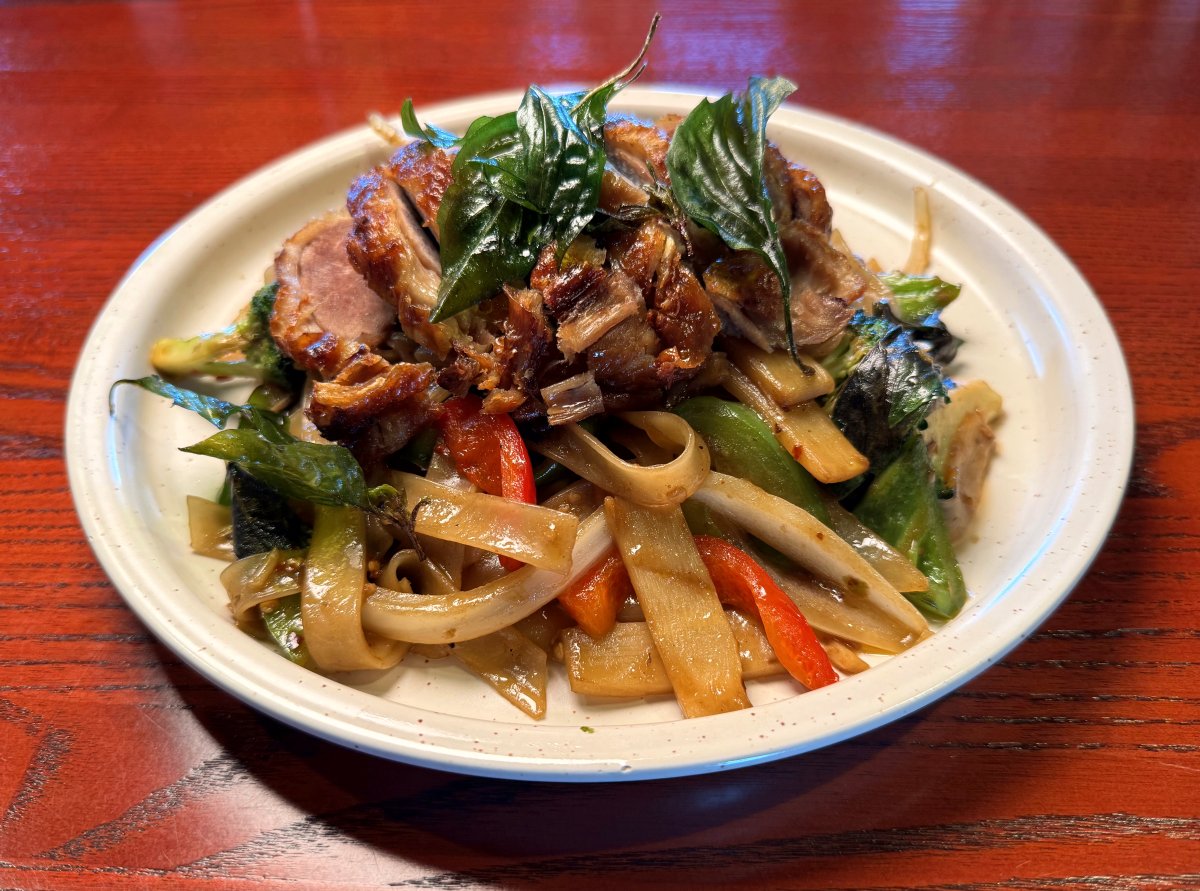

Drunken Noodles have a reputation for going big. Big heat, big savory flavor, big handfuls of wide rice noodles slicked with sauce. In a restaurant, that intensity is part of the appeal. It is also the reason a single plate can carry far more sodium than most people expect, sometimes enough to crowd out the rest of the day’s meals before dessert ever enters the picture.
The good news is that the dish does not need to taste flat or compromised when you pull the sodium down. It simply needs a more thoughtful structure. Instead of leaning almost entirely on soy sauce, oyster sauce, and bottled seasoning, a lighter version builds depth in layers: aromatics cooked properly, fresh chilies used with intention, a little sweetness to round edges, acid to sharpen the finish, and basil added at the right moment so it perfumes the whole pan. When those pieces are in balance, low-sodium Drunken Noodles still feel deeply satisfying.
I have cooked versions of this dish in home kitchens where the stove runs hot in one apartment and weak in another, where one pan holds heat beautifully and the next one struggles to sear a sliced onion. That experience matters because lighter cooking rarely succeeds through subtraction alone. It succeeds when you know what to replace, what to reduce, and what to leave alone. Drunken Noodles are a good example. They reward good judgment more than strict rule-following.
What makes the usual version so salty
Traditional restaurant-style Drunken Noodles often rely on a sauce blend that includes regular soy sauce, dark soy sauce, oyster sauce, fish sauce, and sometimes a seasoning sauce. None of those ingredients are unreasonable on their own. The issue is cumulative. A tablespoon here and a splash there add up fast, especially once the noodles absorb the sauce and the finished dish gets reduced in the wok.
There is also a second factor that people miss. Restaurants cook for impact. The food needs to taste vivid immediately, often after a long day, on a table with drinks, conversation, and perhaps another dish or two competing for attention. Salt becomes the shortcut that guarantees instant punch. At home, especially if you are aiming for lighter eating, you can afford to build a more nuanced result.
That starts with understanding what sodium contributes beyond simple saltiness. It heightens sweetness, reinforces umami, and makes aromas seem more complete. If you cut sodium too aggressively without restoring those other dimensions, the dish tastes hollow. That is why so many low-sodium stir-fries disappoint. The fix is not just “use less soy sauce.” The fix is to support flavor from several angles at once.
The flavor strategy that actually works
For a lighter pan of Drunken Noodles, I focus on five forces: heat, aromatics, sweetness, acid, and umami. Sodium still plays a role, just not the starring one.
Heat is essential, but it should be fresh and direct rather than merely harsh. Thai bird’s eye chilies are classic, but fresno or red serrano peppers work nicely when you want a cleaner, fruitier burn. If you remove seeds, the heat becomes more manageable without losing that bright chili character.
Aromatics need enough contact with the pan to become fragrant but not enough to scorch. Garlic is the obvious one, yet shallot or thinly sliced onion helps a great deal in a lower-sodium dish because it brings gentle sweetness and body. That sweetness matters more than people think. A small amount of sugar, honey, or maple syrup softens the edges and recreates some of the fullness that salt usually provides. You are not making a sweet noodle dish. You are creating balance.
Acid is often the missing piece. A squeeze of lime at the end or a modest amount of rice vinegar in the sauce can wake everything up. Used well, acid makes your palate register the dish as more vivid, which reduces the need for extra salt. Basil, especially Thai basil if you can get it, finishes the equation. It gives Drunken Noodles their recognizable perfume and keeps the dish from tasting merely like a generic stir-fry.
Umami takes a bit more thought when you lower sodium. Mushrooms, a small amount of tomato, unsalted or reduced-sodium stock concentrate, and even a touch of toasted sesame oil can help. None of those ingredients tastes exactly like fish sauce or oyster sauce, and that is fine. The goal is not perfect imitation. The goal is a dish that feels complete.
Choosing the noodles and why it matters
Wide rice noodles are the standard for Drunken Noodles, and they deserve to stay. Their chew and surface area hold sauce beautifully. Fresh noodles are easiest if you can find them, though dried wide rice noodles are perfectly usable. The mistake I see most often is over-soaking or over-boiling them before they hit the pan. When noodles turn too soft early, they break apart in the stir-fry, clump together, and need more sauce to feel seasoned. More sauce usually means more sodium.
If you are using dried noodles, cook them to just shy of done, then rinse briefly and toss with a few drops of neutral oil if they seem sticky. They should finish in the pan. Fresh noodles often need to be loosened carefully by hand. If they are cold and stiff, a short microwave burst or a few minutes at room temperature can make them easier to separate without tearing.
For lighter eating, portioning matters too. A common restaurant plate can easily carry enough noodles for two moderate servings. At home, I find that about 2 to 3 ounces of dried noodles per person, or the fresh equivalent, gives a satisfying result when paired with plenty of vegetables and a modest amount of protein. The dish still feels generous, but it does not leave you heavy.
The best low-sodium swaps, and the trade-offs they bring
Reduced-sodium soy sauce is the first obvious substitution, but it is not always enough on its own. Some brands taste thinner or sweeter than regular soy sauce, so you may need less sweetener elsewhere. A small amount of regular soy sauce combined with reduced-sodium soy can actually taste more balanced than using the low-sodium version alone. That sounds counterintuitive, but a strategic tablespoon often does more than several diluted ones.
Oyster sauce is harder to replace cleanly because it delivers sweetness, gloss, and deep savory notes at once. Mushroom-based vegetarian oyster sauces can work well, though they vary widely in sodium. Sometimes a small spoonful is worth keeping for authenticity, while reducing the total quantity and supporting it with sautéed mushrooms in the pan. That way you still get the rounded flavor without depending entirely on the bottle.
Fish sauce presents a similar choice. It is potent, and even half a teaspoon can transform the final taste. If sodium reduction is the top priority, leave it out and restore complexity elsewhere with lime, basil, and perhaps a few drops of toasted sesame oil. If your goal is moderation rather than strict restriction, a tiny amount can be worthwhile.
A practical sauce formula for four modest servings often lands in this range: 2 tablespoons reduced-sodium soy sauce, 1 tablespoon regular soy sauce or 1 to 2 teaspoons fish sauce, 1 to 2 teaspoons oyster sauce or mushroom sauce, 2 teaspoons brown sugar, and 1 to 2 teaspoons rice vinegar or lime juice added at the end rather than cooked. Those numbers are flexible, but they show the basic idea. The sauce becomes a concentrated accent instead of a heavy blanket.
Vegetables do more than stretch the dish
When people hear “lighter eating,” they often assume the vegetables are there mainly to add bulk. In Drunken Noodles, they also solve several flavor and texture problems. Broccolini, Chinese broccoli, bell peppers, snap peas, zucchini, and mushrooms all bring moisture and sweetness. They keep the dish lively, and they catch sauce so every bite feels seasoned even when the total amount of sauce is lower.
Bell peppers are especially useful because they echo the brightness of fresh chili without increasing the burn. Mushrooms contribute umami and absorb wok flavor quickly. Zucchini is less traditional, but when sliced into half-moons and cooked hard for a minute or two, it adds softness without becoming watery. The one thing to avoid is crowding the pan with too many wet vegetables at once. You do not want them steaming and leaking enough liquid to wash out the sauce.
Leafy greens also help, but they need timing. Thai basil should go in at the end so it wilts without losing its aroma. Chinese broccoli or baby bok choy stems need a head start, while tender leaves can be folded in late. A mixed vegetable approach often tastes better than a single-vegetable one because it gives contrast without extra effort.
Protein choices for a lighter bowl
Chicken, shrimp, tofu, and even thinly sliced lean beef can all work. The lower-sodium version benefits from proteins that cook quickly and do not demand long marinating times. A long soy-based marinade defeats the purpose. Instead, season the protein lightly and let the pan do the work.
Chicken thigh gives more flavor than breast and stays juicy under high heat, but trimmed breast is a fine option if you cook it quickly and do not crowd the pan. Shrimp are naturally sweet and pair well with basil and chili, though they release moisture if added too early. Tofu can be excellent in this dish, especially extra-firm tofu pressed well and seared until crisp before the sauce goes in. It acts like a sponge for the aromatics and still feels substantial.
If I am cooking for someone who wants a genuinely lighter dinner, tofu and mushrooms together are hard to beat. They create the savory depth people often expect from meat, yet the dish remains clean and not overly rich.
A reliable home method
The biggest difference between decent homemade Drunken Noodles and great homemade Drunken Noodles is not a secret ingredient. It is pan management. A home stove usually cannot reproduce restaurant wok power, so the cook needs to compensate by using smaller batches, higher heat where safe, and ingredients staged in the right order.
Here is the sequence I trust most:
- Mix the sauce before you turn on the heat, and have noodles, vegetables, protein, and basil ready beside the stove.
- Sear the protein first, remove it when almost done, then cook aromatics and sturdier vegetables in the same pan.
- Add the noodles and sauce together, tossing until the noodles loosen and pick up color in spots.
- Return the protein, fold in tender vegetables and basil, then finish with lime off the heat.
That short list hides a lot of judgment, but the logic is simple. If the noodles sit in sauce before they hit high heat, they soften too much. If basil goes in early, it disappears. If the protein stays in the pan the whole time, it overcooks and turns the stir-fry wet. Once you understand those pressure points, the recipe becomes flexible.
A sample recipe that keeps the spirit intact
For four lighter servings, start with 8 to 10 ounces dried wide rice noodles or roughly 14 to 16 ounces fresh. Use 10 to 12 ounces of chicken, shrimp, or tofu, plus about 5 to 6 cups of vegetables total. A good combination is 1 red bell pepper, 1 small onion or 2 shallots, 4 ounces mushrooms, and a few handfuls of Chinese broccoli or bok choy. Add 3 to 4 cloves of garlic, 2 to 4 fresh chilies depending on heat tolerance, and a generous cup of Thai basil leaves.
For the sauce, whisk together 2 tablespoons reduced-sodium soy sauce, 1 tablespoon regular soy sauce, 1 to 2 teaspoons oyster sauce or mushroom sauce, 2 teaspoons brown sugar, and 2 tablespoons water. Keep lime wedges for the finish.
Cook the noodles until barely tender. Heat a wok or large skillet until very hot, add a tablespoon of neutral oil, and sear the protein. Remove it while it still has a minute to go. Add a touch more oil if needed, then stir-fry the onion, chilies, and garlic for less than a minute. Add mushrooms and peppers, cook until they blister slightly, then add the noodles and sauce. Toss assertively, letting the noodles char a little at the edges if your pan allows it. Return the protein, add the greens, and finish with basil just until fragrant. Squeeze lime over the top before serving.
This is not a bland health-food adaptation. It is simply a better-balanced home version. If you taste it and think it needs more salinity, add a few drops of soy sauce at the table rather than another tablespoon in the pan. That gives control back to the eater and keeps the baseline lighter for everyone.
Where lighter versions commonly go wrong
The first mistake is replacing every savory sauce with water and hope. A stir-fry needs concentration. If you remove sauce components, you need stronger aromatics and cleaner finishing touches. Otherwise the noodles taste slippery rather than flavorful.
The second mistake is overloading the pan. Home cooks often think more vegetables automatically means better nutrition, but too many watery ingredients make a puddle that dilutes everything. Better to use a reasonable amount and cook them hot and fast.
The third mistake is not tasting the sauce before cooking. Even with raw garlic and chilies still to come, you can learn a lot from a fingertip taste. If it seems sharply salty before it hits the pan, it will likely be too salty once reduced. If it tastes merely sweet and watery, it will need more backbone.
The fourth issue is texture. Mushy noodles, gray vegetables, and overcooked basil make a dish feel heavy no matter how “light” the ingredient list looks on paper. Lighter eating should still be pleasurable. Crisp-tender vegetables and chewy noodles matter.
Adjusting for different needs
Not every low-sodium cook is trying to hit the same target. Some are simply trying to cut back after a stretch of restaurant meals. Others are cooking for blood pressure concerns or household dietary restrictions. That is why rigid claims are not especially helpful here.
If someone needs a stricter reduction, I would cut the regular soy sauce entirely, use only reduced-sodium soy in a smaller quantity, skip oyster and fish sauce, and increase mushrooms, garlic, basil, and lime. The flavor profile shifts a bit, but the dish remains recognizable. A tiny pinch of sugar becomes more important in that version because it replaces some of the roundness lost with the sauces.
If the goal is moderate reduction without sacrificing too much classic flavor, a mixed approach works best. Use less of the strongest condiments rather than eliminating them all. This tends to satisfy people who know and love restaurant Drunken Noodles, because the dish still carries the expected savory backbone.
For gluten-free eating, rice noodles already do part of the work. You only need to confirm the soy sauce and any oyster or mushroom sauce are suitable. For vegetarian or vegan versions, tofu and mushrooms are the easiest route, and they suit the dish naturally rather than as an afterthought.
Why the dish still feels indulgent
A lighter noodle dish succeeds when it preserves pleasure. Drunken Noodles are supposed to be glossy, aromatic, a little messy, and exciting enough that the next bite arrives before the last one is fully gone. Sodium contributes to that experience, but it is not the whole experience.
What really makes the dish compelling is contrast. Soft noodles against crisp vegetables. Sweet basil against hot chili. Charred edges against bright lime. A savory sauce that clings rather than floods. When those https://zaneytwn124.halcyonledger.com/posts/drunken-noodles-with-chicken-shrimp-or-tofu-pick-your-favorite contrasts are in place, the dish feels complete, even if the total sodium is significantly lower than a restaurant standard.
That is the part many people underestimate. Lighter eating does not have to mean austere eating. It can mean sharpening your technique and tasting with more intent. Drunken Noodles, of all dishes, respond beautifully to that kind of attention. They still deliver comfort and excitement, just without the heavy, over-seasoned aftermath that sends you reaching for water an hour later.
If you cook them once with restraint and once with purpose, the difference becomes clear. Restraint alone removes. Purpose reshapes. For a plate of low-sodium Drunken Noodles that still earns its name, purpose is what carries the day.
Nakhon Luang Thai Kitchen
Address: 805 Village Center Dr, Colorado Springs, CO 80919
Phone number: +17195315175
FAQ About Drunken Noodles
What makes it drunken noodles?
Drunken noodles, or Pad Kee Mao, get their name from the Thai word khi mao (meaning "drunkard"). They contain no alcohol. The name comes from the idea that the dish is a popular late-night meal to cure a hangover or a great food to eat with a cold beer.
What is the difference between pad see ew and drunken noodles?
While both Pad See Ew and Drunken Noodles use the same wide rice noodles, Pad See Ew is a mild, sweet-savory dish made with dark soy sauce and Chinese broccoli, whereas Drunken Noodles (Pad Kee Mao) are fiery, garlicky, and herbaceous with fresh chilies and Thai basil.
What are traditional drunken noodles?
Traditional drunken noodles, known as Pad Kee Mao in Thai, are a fiery, savory street food stir-fry made with wide flat rice noodles, fresh garlic, lots of hot chilies, meat or tofu, and fragrant holy basil. Despite the name, they contain no alcohol; the dish is traditionally eaten late at night or as a hangover cure because the intense spice helps clear the head.