Cuban Bakery Aurora CO: Delicious Bites for Any Time of Day
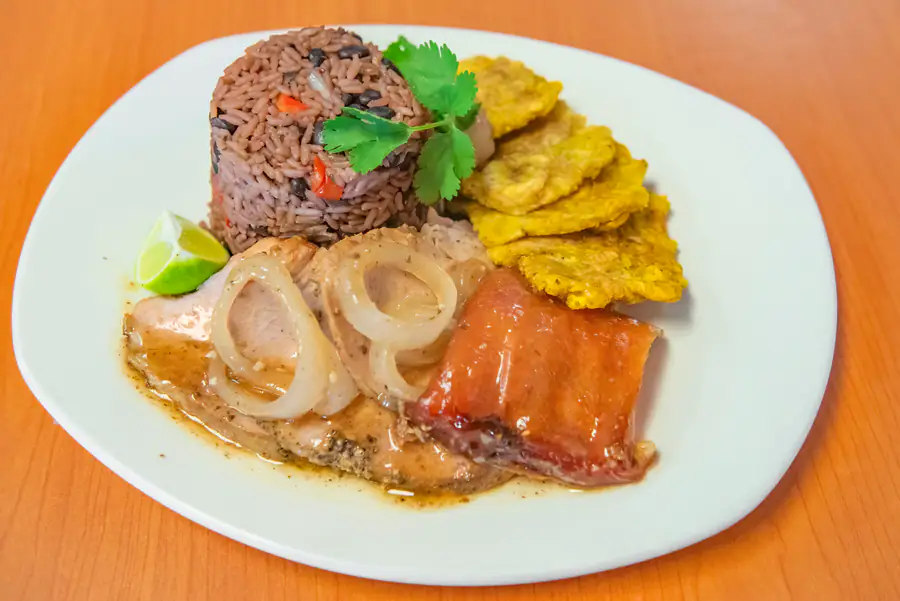
Aurora has never been a one-note food city. Its best meals often hide in modest strip centers, neighborhood storefronts, and family-run counters where regulars know exactly what to order before the door closes behind them. That is part of the appeal when people go looking for a Cuban bakery Aurora CO residents actually return to more than once. It is not only about satisfying a sweet tooth. It is about breakfast on the way to work, a strong coffee in the middle of the morning, something savory for lunch, and a box of pastries that somehow disappears by evening.
A good Cuban bakery earns loyalty because it handles every hour of the day well. Early on, you want warmth, speed, and freshness. Later, you want substance, something crisp or flaky with a filling that tastes seasoned rather than heavy-handed. By late afternoon, the display case becomes its own argument for taking extras home. The best places understand that rhythm. They are not simply dessert stops. They are all-day kitchens expressed through bread, pastry, coffee, and small prepared foods.
That distinction matters, especially if you have only a vague idea of what makes a Cuban bakery different from a generic pastry shop. Cuban baking draws from several traditions at once. Spanish techniques, Caribbean flavors, immigrant adaptation, and practical everyday cooking all show up in the same case. You will often see guava beside cream cheese, ham beside croquette filling, and glossy pastries alongside simple rolls made to support a sandwich. It is less about show and more about use. These are foods meant to be eaten on the way somewhere, at a break table, with family after church, or standing up with hot coffee while deciding whether to order one more thing.
What makes a Cuban bakery feel distinct
The first clue is usually the balance between sweet and savory. In many bakeries, sweets dominate. In a Cuban bakery, a pastry case tends to tell a fuller story. Yes, there may be fruit pastries, cakes, and cookies, but there is usually equal respect for turnover-style snacks, stuffed breads, croquetas, and sandwich bread that does real work. The aromas carry that same balance. Butter and sugar are present, but so are warm bread, toasted ham, coffee, and occasionally the unmistakable smell of something fried just right.
Texture matters more than many casual diners realize. Cuban pastries should not feel leaden. A guava pastry needs a crisp, shattering edge and a center with enough fruit to taste generous without turning gummy. Savory pastries need structure. If the crust softens too quickly or the filling leaks fat, the whole thing loses its charm. Bread should be light enough to bite through cleanly, yet sturdy enough to hold pressed fillings. Those details are where experienced bakers separate themselves from places that merely imitate the look.
There is also an unmistakable social quality. People do not drift into a Cuban bakery only for ceremony or special events. They stop in because it fits real life. One person grabs café con leche and a pastry before a shift. Another picks up a tray for the office. A family orders sandwiches and sweets in one visit because everyone wants something different. That practical variety is a hallmark of the format.
Morning starts here
Breakfast is where many people first understand the draw. A proper morning stop at a Cuban bakery has a rhythm of its own. The coffee is not an afterthought, and neither is the food. Even a simple pastry tastes more complete when paired with coffee that has enough backbone to stand up to sugar and butter.
Café con leche is often the anchor. Made well, it is smooth, fragrant, and comforting without becoming bland. It should taste like coffee first, milk second. If you prefer something more concentrated, a small Cuban coffee delivers sweetness and force in a few sips. Either way, the drink is meant to interact with the food, not sit beside it politely.
Morning pastries often work best when they are fresh from the case, still slightly warm or at least recently baked. A guava and cheese pastry remains one of the most dependable choices because it balances tang, sweetness, and richness in a way that never feels childish. If the baker gets the ratio right, neither element dominates. The guava brings brightness, the cheese tempers it, and the pastry adds the crackle.
Savory breakfast options deserve equal attention. Ham croquettes, stuffed pastries, or a pressed breakfast sandwich can carry you much farther into the day than a sweet pastry alone. This is especially true at altitude, where dry air can make overbaked items feel even drier. The better bakeries compensate with proper fillings and careful baking times, so the pastry still tastes alive rather than stale by 9 a.m.
There is something deeply practical about a breakfast menu that understands appetite. Some mornings call for a delicate bite and coffee. Other mornings call for a sandwich that will keep you going until midafternoon. Cuban bakeries tend to respect both scenarios.
The pastry case tells you almost everything
If you want to judge a bakery quickly, spend a minute looking before you order. Not with suspicion, but with curiosity. The case reveals whether the kitchen values consistency. Are the pastries glossy and intact, or are they collapsing under old glaze? Do the savory items look replenished or abandoned? Are there signs of active production, fresh trays coming out, staff rotating items, regulars ordering in quantity?
These are small signals, but they matter. A great pastry case looks lived-in without looking neglected. The colors should be appetizing, not fluorescent. Fillings should look generous but controlled. Breads should appear handled with familiarity, not as props for social media.
Here are five items that often reward a first visit:
- guava pastry
- guava and cheese pastry
- ham croquetas
- Cuban bread or a pressed Cuban sandwich
- café con leche
That mix gives you a reliable read on both sweet and savory execution. If the bakery can handle fruit filling, laminated or folded pastry, fried savory snacks, bread, and coffee, it is likely doing the fundamentals well.
More than sweets at midday
The midday traffic at a Cuban bakery often surprises first-time visitors. People who think of bakeries as dessert destinations can miss the lunch value entirely. Cuban bakeries are often at their most useful around noon, when the bread becomes central and savory foods take over.
A classic pressed sandwich is a good example. When made properly, it is about proportion. Too much mustard and the sandwich turns sharp. Too much pickle and it becomes watery. Too little press and the bread stays soft in the wrong way. Done well, the outside is crisp and golden, the inside is warm and layered, and every bite tastes integrated rather than stacked. That kind of sandwich is not glamorous, but it is satisfying in the specific way repeat customers remember.
Stuffed pastries and savory turnovers also shine at lunch because they travel well. If you are eating at your desk, in the car, or between errands, a tidy hand pie with seasoned meat or ham and cheese can be more useful than a salad in a clamshell or a sandwich that falls apart after three bites. Good bakeries understand mobility because their food has always served busy people.
This all-day usefulness is part of why the phrase Cuban bakery Aurora CO means more than a simple bakery search term. For locals, it often means finding a place that can cover breakfast, lunch, coffee breaks, and take-home desserts without requiring a special occasion.
Why freshness matters more than variety
Many bakeries try to impress by displaying dozens of choices. Variety has its place, but freshness wins every time. I would rather see twelve items turned over constantly than forty sitting too long under bright case lights. Cuban pastries are especially sensitive to time. Sugar glazes can dull, fried items soften, and fruit fillings seep if they sit too long.
The strongest bakeries manage this by baking in rounds and paying attention to demand patterns. Early batches serve commuters. Midmorning refreshes the sweet case. Lunch demands more bread and savory stock. Afternoon often leans back toward pastries and coffee. If you visit regularly, you start to notice the cadence. Certain things sell out early for a reason.
This is also where customer judgment comes in. If you want the crispest croqueta or the freshest guava pastry, go earlier. If you want a wider selection for taking a box home, late morning to early afternoon can be ideal, depending on the shop’s production cycle. There is no universal rule, but there is almost always a sweet spot.
The role of bread in a Cuban bakery
Bread does not always get the praise it deserves in conversations about Cuban baking. Pastries are photogenic. Cakes feel celebratory. Bread, by contrast, is humble. Yet bread often tells you more about the bakery’s skill than any decorated item in the case.
Cuban bread should feel light in the hand but not hollow. The crust should offer slight resistance, not a thick armor. The interior should be airy enough for sandwiches and soft enough to tear with ease. In Colorado, that is not a trivial achievement. Dry climate and altitude can punish dough. Bakers must adjust hydration, proofing, and bake time with care. When they do, the result feels effortless. When they do not, bread goes from fresh to disappointing in a hurry.
That is why even a simple sandwich can become a benchmark. If the bread is excellent, the whole meal rises. If it is dry or overly dense, no amount of melted cheese will rescue it. People who know bakery culture tend to notice the bread first, even if they came in for sweets.
An afternoon box is rarely a mistake
There is a certain wisdom in ordering extra at a Cuban bakery, especially if the items are turning over fast. Afternoon pastry boxes have a way of solving problems before they arise. Unexpected guests? Covered. Need something with coffee later? Covered. Want tomorrow’s breakfast handled tonight? Often covered, though some items are always best fresh.
A mixed box also gives you range. Someone in the house will want fruit. Someone else will reach for cream cheese, coconut, or something filled with custard. Savory items bridge the gap when not everyone wants dessert. That flexibility is part of why Cuban bakeries remain such strong neighborhood businesses. They answer several appetites at once.
Not everything keeps equally well, though. Fried items are best eaten soon after purchase. Delicate pastries with crisp tops lose some of their texture overnight. Denser cakes and certain cookies hold better. If you are buying ahead, it helps to ask which items are strongest the next day. Good staff usually know, and regulars often do too.
How to order like someone who has done this before
You do not need https://erickjcmw828.wpsuo.com/cuban-bakery-aurora-co-a-cozy-spot-for-coffee-and-pastries insider status to order well, but a little awareness helps. Cuban bakeries often move quickly during rush periods, and the best experience comes from being decisive without rushing your taste.
A few habits make a real difference:
- go with a sweet and a savory item if it is your first visit
- pair pastries with coffee rather than treating coffee as optional
- ask what came out recently if freshness is your top priority
- buy extra only if you know which items keep well
- visit earlier in the day for the widest selection of best-sellers
That approach sounds simple because it is. The trick is understanding that the bakery is designed around contrast. You want flaky and rich, sharp and sweet, hot and room temperature, crisp and soft. The menu makes more sense once you stop treating it as a single category of food.
The value of familiarity
One of the pleasures of becoming a regular at any neighborhood bakery is learning its patterns. Maybe the best sandwiches come out around lunch, but the strongest pastry selection lands at 8:30 a.m. Maybe one item is exceptional on weekdays because the office crowd keeps turnover high, while another is best on Saturdays when families buy by the dozen. These habits are rarely posted on a sign. You learn them by paying attention.
That familiarity also sharpens your taste. You start noticing the difference between a pastry that is merely sweet and one that is balanced. You notice which fillings taste made with restraint, and which seem overengineered. You learn that a bakery can be warm and inviting without trying too hard. Real hospitality in this setting is often simple: quick service, patient explanations for new customers, and food that tastes like the people in the kitchen care whether you come back.
For visitors and locals alike
If you are new to Aurora, finding a dependable bakery can anchor your food routine faster than a flashy dinner reservation ever will. Good bakeries become part of the week. They handle quick breakfasts before work, coffee meetings, low-key lunches, school pickup treats, and last-minute boxes brought to friends. That makes them practical in the deepest sense of the word.
For locals, a strong Cuban bakery Aurora CO option fills a niche that chain cafés rarely touch. Chains can offer convenience, but they often flatten flavor into uniformity. A real bakery offers variation, personality, and signs of human hands. One tray browns a little darker than another. One batch of guava pastries disappears early because they were especially good that morning. The room smells different at 7:30 than it does at 1:00. Those details are not flaws. They are the point.
A food culture built on return visits
What keeps people coming back is not novelty. It is reliability with just enough variation to stay interesting. The coffee tastes right. The bread works. The pastries have character. The savory items feel like they belong beside the sweets, not as an afterthought. Over time, that consistency becomes its own kind of comfort.
Cuban bakeries do especially well at this because their menus reflect everyday life rather than narrow specialization. They understand mornings, but they are not only breakfast places. They can satisfy a sweet craving, but they are not only dessert shops. They provide lunch without pretending to be formal restaurants. Their best foods are both modest and memorable, which is rarer than it sounds.
When people search for a Cuban bakery in Aurora, they are often looking for exactly that kind of place, somewhere useful, flavorful, and warm in the broadest sense. Somewhere that can hand you a strong coffee and a pastry before 8 a.m., a pressed sandwich at noon, and a pastry box for the evening without missing a beat. Delicious bites for any time of day is not just a slogan in this context. It is the business model, the culinary tradition, and the reason these bakeries keep their place in people’s routines.
Cuba Bakery & Café
15028 E Mississippi Ave, Aurora, CO 80012
+1 303-752-2822
FAQ About Cuban bakery Aurora CO
What are Cuban pastries called?
Many small Cuban pastries are called pastelitos. They can have sweet or savory fillings, such as guava, cheese, guava and cheese, or seasoned meat. Cuba Bakery & Café lists guava, cheese, guava-and-cheese and beef pastries on its menu. Ask the bakery about current availability and ingredients when ordering.
What are traditional Cuban pastries?
Common Cuban bakery choices include flaky pastelitos filled with guava, cheese or meat. Cuban bakeries may also offer empanadas, breads and desserts alongside coffee. Cuba Bakery & Café lists pastelitos, several empanada fillings, pan Cubano and desserts such as tres leches and bread pudding. Selection can vary, so confirm the day's choices with the bakery.
What makes Cuban bread different?
Cuban bread is known for its light interior and a thin crust that becomes crisp when toasted or pressed. Traditional recipes often use lard, although ingredients vary by baker. It is commonly served as buttered toast or used for Cuban sandwiches. Cuba Bakery & Café lists pan Cubano and tostada on its menu; ask staff about the ingredients in their bread if you have dietary restrictions.