Best Jamaican Food in Denver Near Popular Neighborhoods
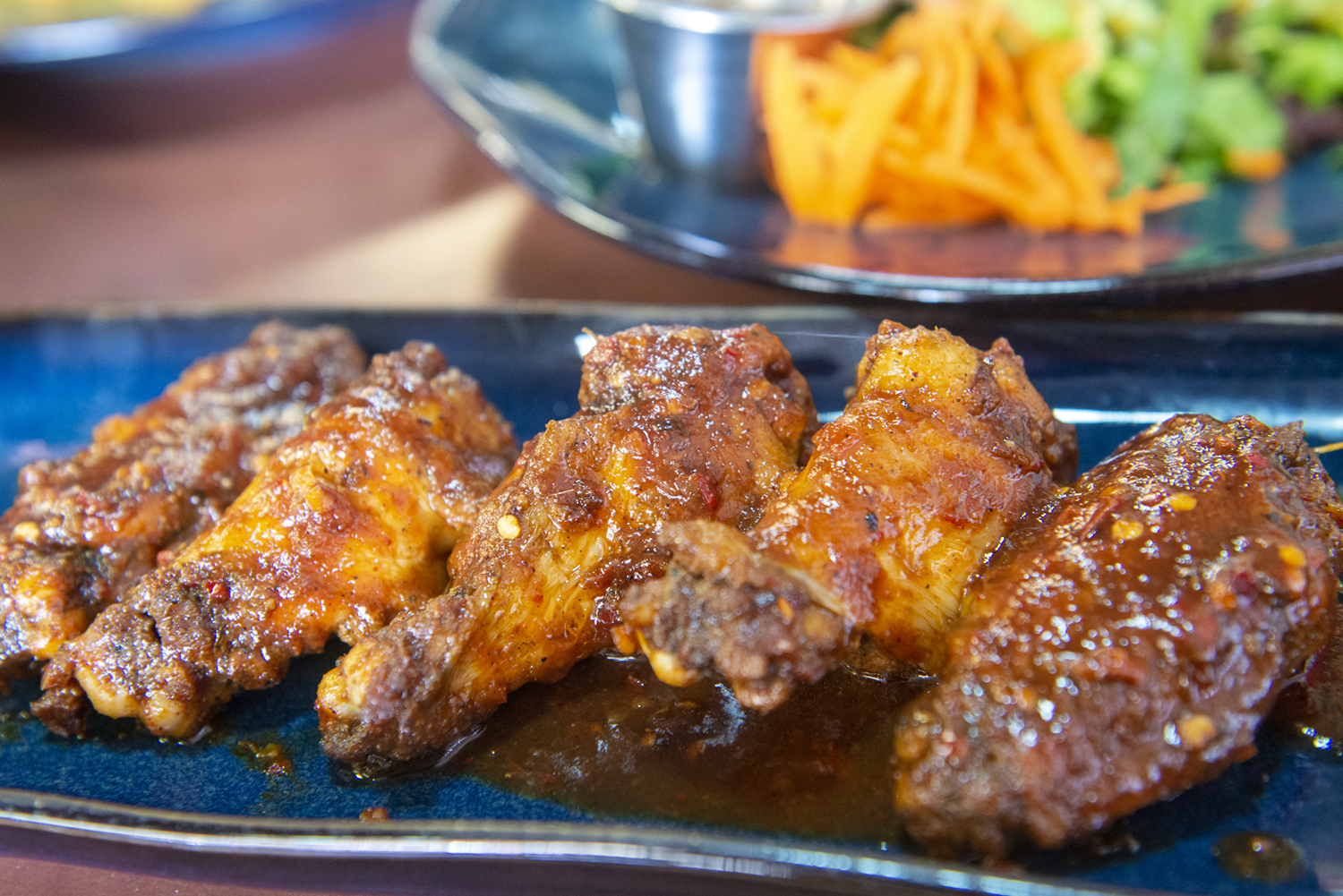
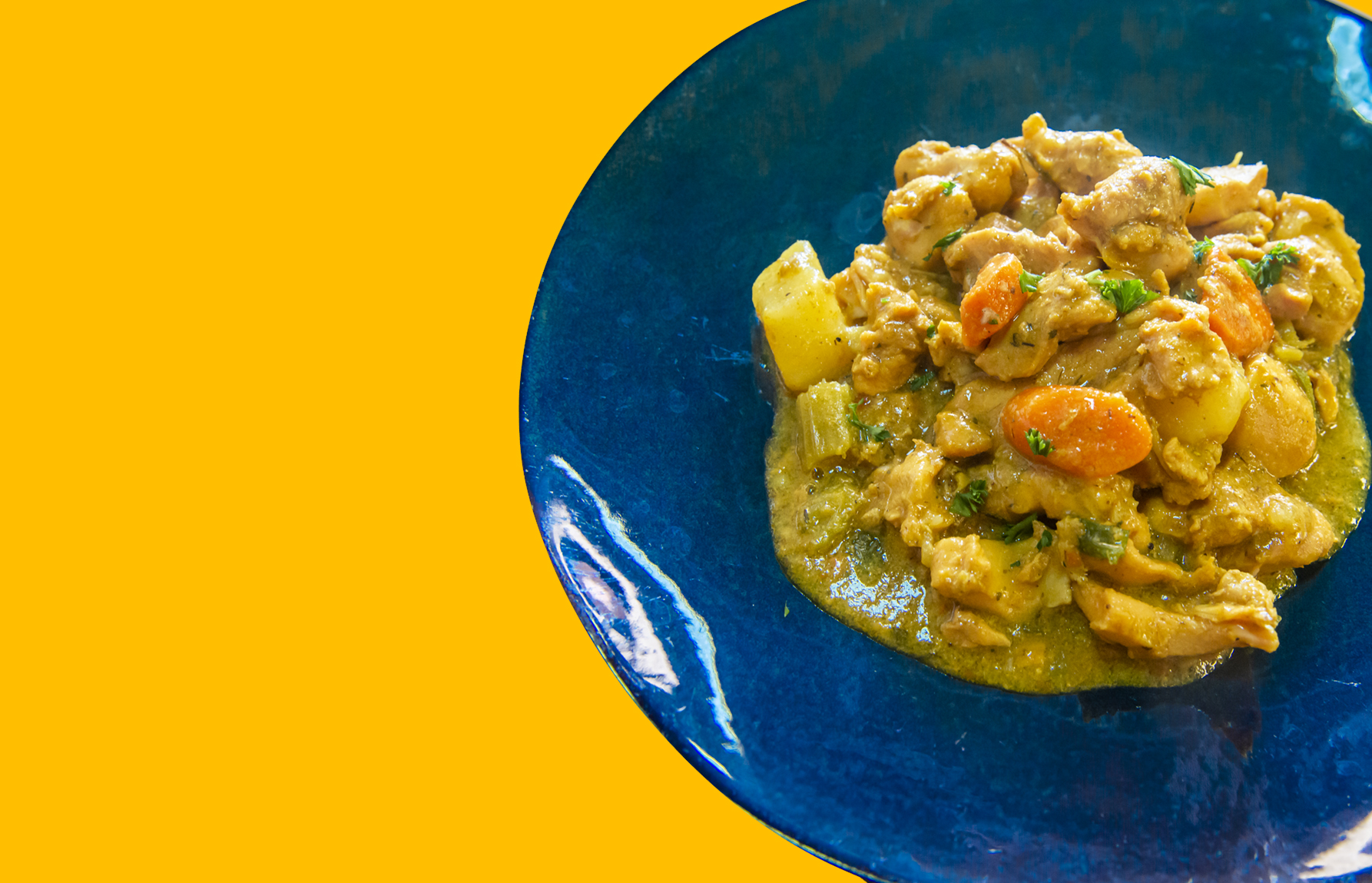
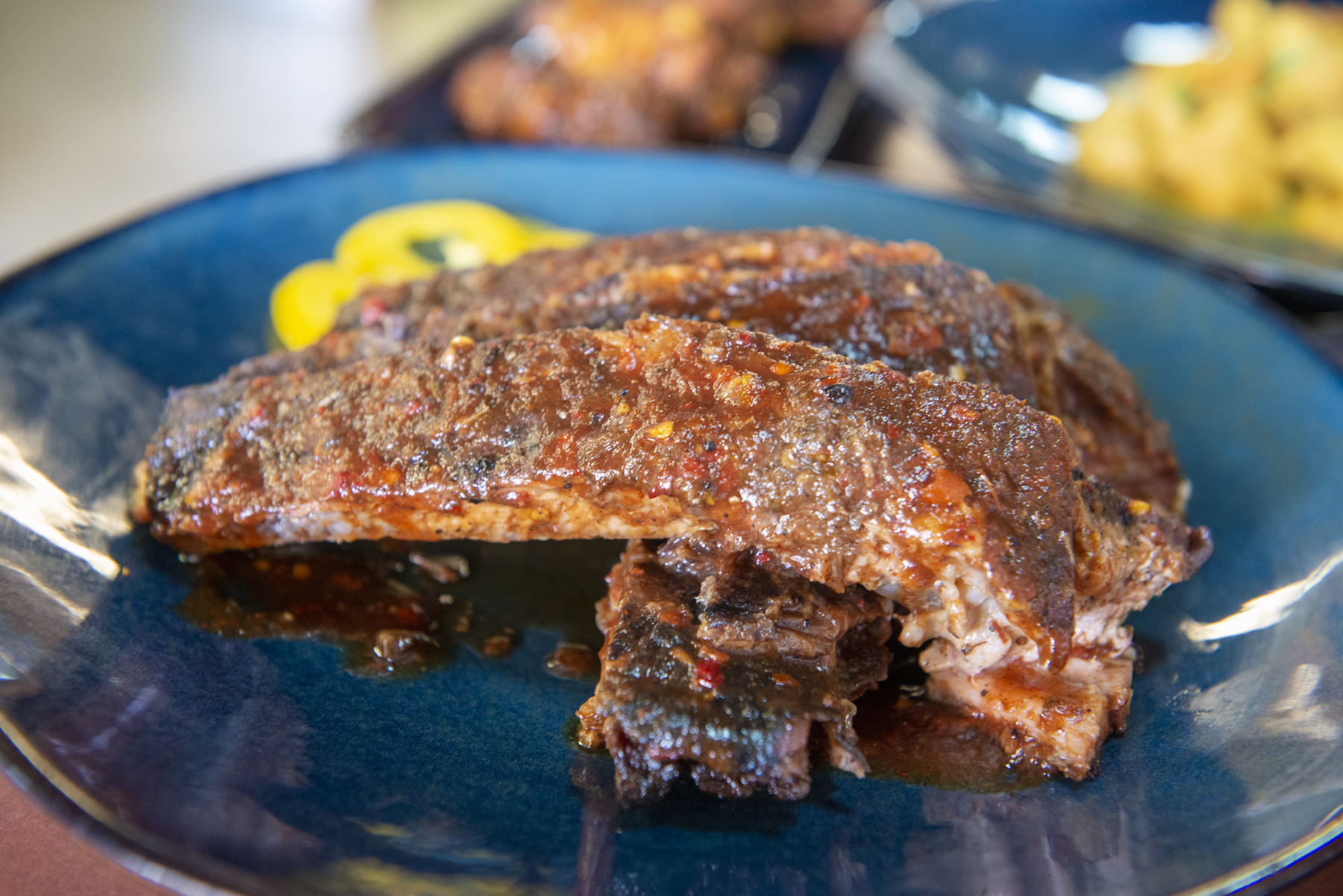
Denver does not have the sheer volume of Jamaican restaurants you find in South Florida, Brooklyn, or parts of Atlanta. What it does have is a smaller, more scattered scene where the good spots earn loyalty the hard way. You are not usually choosing from ten jerk chicken counters on one block. You are deciding whether the drive is worth it for a proper plate of oxtail, whether the kitchen still has beef patties left at 7 p.m., and whether that dark, fragrant jerk came off a grill or out of an oven.
That difference matters. When people search for jamaican food denver, they often expect a tidy list of downtown options. The reality is more local than that. Some of the best Jamaican food for Denver residents sits just outside the neighborhoods visitors recognize first, often in parts of the metro where independent restaurants can hold onto space and regulars can keep them busy. If you know where to look from RiNo, Capitol Hill, the Highlands, Washington Park, and nearby areas, you can eat very well.
A good Jamaican meal has a certain balance that is hard to fake. The seasoning should run deep, not just sit on the surface. Rice and peas should taste like coconut, thyme, and stock, not plain rice with beans folded in at the end. Plantains should land on the sweet side without turning into mush. Gravy matters more than people admit. A plate can be simple, but if the browning sauce on the oxtail or curry carries enough depth, you remember it.
Denver’s Jamaican food map is wider than the city center
One thing longtime diners in Denver learn quickly is that neighborhood loyalty and food geography do not always line up. If you live in LoHi or near Union Station, your best Jamaican meal may come after a 15 to 30 minute drive. If you live in southeast Denver or near the Aurora line, your options usually get easier. That is not a flaw in the scene. It is just how the city has developed.
Dedicated Jamaican kitchens in the Denver area tend to cluster outside the glossy core. You will find stronger odds in eastward corridors, in pockets of Aurora, and in parts of the south metro, where family-run Caribbean businesses have had room to build a base. Denver proper still has Caribbean-adjacent menus and occasional crossover spots, but if your standard for jerk chicken is serious, not symbolic, it pays to widen the radius.
That is especially true if you care about consistency. Some places make a fine lunch plate but run out of favorites early. Others shine on weekends when they have enough volume to keep everything fresh and moving. A kitchen that cooks oxtail only a few days a week may give you a much better result than one trying to keep every item available all the time.
If you’re staying in RiNo or Five Points
RiNo and Five Points are where a lot of visitors start, and they are also where expectations can get skewed. These neighborhoods offer plenty of polished dining rooms, but Jamaican food rarely performs best when it is too polished. The format that suits it best is usually more direct: a counter, a steam table, a grill, maybe a short wait while someone boxes up cabbage and ladles gravy over rice.
From RiNo or Five Points, the smart move is to think in terms of access rather than strict neighborhood boundaries. You are close to major routes that make eastbound trips manageable, especially outside rush hour. For diners based here, it often makes more sense to drive to a dedicated Jamaican kitchen than to settle for a vaguely Caribbean menu nearby.
What should you order first if you are only making one stop? Jerk chicken is the obvious answer, but it is not always the best test. Plenty of restaurants can season chicken aggressively. Far fewer can braise oxtail https://traviswtev143.zenbloomer.com/posts/best-jamaican-food-in-denver-for-lunch-and-dinner with enough patience, or produce curry goat that tastes rounded and savory rather than one-note.
Here is the short ordering strategy I give friends when they want to gauge a new spot quickly:
- Start with either oxtail or curry goat if the restaurant is known for slow-cooked entrées.
- Add a beef patty if they bake or source them well, especially if coco bread is available.
- Get rice and peas, not plain white rice, unless the server tells you a special side is stronger that day.
- Order plantains if you like sweetness on the plate, and cabbage if you want contrast and relief from heavier sauces.
- If jerk chicken is your priority, ask whether it is grilled or smoked rather than just seasoned and roasted.
That last point saves disappointment. In weaker kitchens, “jerk” means spicy chicken with bottled sauce. In better ones, it means allspice, thyme, scallion, chile heat, char, and smoke, with a finish that lingers without flattening the palate.
Capitol Hill and Cheesman Park diners need to choose carefully
Capitol Hill and Cheesman Park residents are used to strong food options within walking distance, but Jamaican is one category where walking convenience can work against you. A lot of restaurants in these neighborhoods thrive on foot traffic, drinks, or late-night demand. Jamaican food does not need any of that to be good. It needs repetition, discipline, and enough community support to justify making callaloo, soaking peas, braising meats, and seasoning in quantity.
From Cap Hill, a short drive east or southeast usually opens better possibilities than staying central. This is one of those cuisines where ten extra minutes in the car can improve the meal dramatically. I have seen people settle for a trendy bowl downtown when what they really wanted was a proper plate lunch with dense, aromatic gravy and a side of cabbage that had actually been cooked, not decorated.
If you are going out from Cap Hill for dinner, go early if you want the full menu. Jamaican kitchens often have a different rhythm than all-day American restaurants. Selling out is not always bad news. It can mean the restaurant cooked a realistic batch of something that takes hours and chose quality over abundance. Oxtail, in particular, has a habit of disappearing before close, especially on weekends.
Capitol Hill diners should also pay attention to portion size versus price. Denver is not a cheap restaurant city, and Jamaican food can look expensive if you compare menu prices without context. But the better plates are usually substantial. A generous serving of curry goat with rice and peas, cabbage, and plantains can stretch into two meals for many people. If the kitchen is balancing imported spices, long cook times, and expensive cuts, the numbers start to make more sense.
Washington Park, Platt Park, and the southbound advantage
If you live near Washington Park or Platt Park, you have a useful edge. Southbound access puts several stronger metro options within realistic weeknight range. This is where Denver diners can tap into restaurants that feel less performative and more rooted, often in strip-center locations that serious eaters have learned not to ignore.
A lot of the most satisfying Jamaican meals in the area come from exactly that kind of place. The sign may be modest. The dining room may be quiet at 3 p.m. The music may be low. None of that predicts the food. What predicts the food is the smell when the door opens, whether the steam table looks cared for, whether the staff can answer a direct question about what is freshest, and whether the sauces look like they were made in-house rather than squeezed from a bottle.
South metro spots also tend to reward repeat visits. Menus can shift slightly, and certain days bring stronger versions of specific dishes. One restaurant might do a particularly good brown stew chicken on Thursdays, while another has its strongest lunch rush on Friday and Saturday, when turnover keeps the jerk and curry moving. That kind of practical detail rarely shows up in search results, but regulars know it.
For Wash Park residents, Jamaican food also makes unusual sense as takeout. Many cuisines fade fast in transit. A braised oxtail plate often travels well. Rice and peas hold their structure. Cabbage settles into the sauce. Plantains soften a little but stay pleasant. If you are choosing between dining in and carrying out, Jamaican food is one of the safer bets for a 15 to 20 minute drive home.
Highlands and LoHi residents should not insist on neighborhood purity
People in the Highlands and LoHi are spoiled in the best way. They can walk to excellent restaurants across several categories, so there is a natural tendency to ask, “What is the best Jamaican food right here?” Usually, that is the wrong question. The better question is, “What is the best Jamaican food I can reach without turning dinner into a road trip?”
For these neighborhoods, that often means accepting a short drive east or south. The payoff is that you get food made by kitchens that are not trying to translate themselves for a broad brunch crowd. Jamaican food does not need to be prettied up. It needs respect for spice blends, smoke, and long cooking.
One thing I tell Highlands diners is not to judge a restaurant by its décor or online photography alone. Some of the best Caribbean food in the Denver area is deeply unglamorous on camera. It may come in a foam container. The lighting may be bad. The plate may look brown and beige until you taste it. Then the allspice hits, the thyme opens up, and the gravy ties the whole thing together. That is not a cuisine problem. That is a reminder that flavor and style are not the same metric.
What “best” really means in Jamaican food
There is no universal best plate, because Jamaican cooking has built-in variety. Some diners want aggressive heat. Others want complexity first and chile second. Some chase the perfect jerk profile, while others judge every restaurant by oxtail tenderness.
Still, the best Jamaican food in Denver usually shares a few traits. The meat is seasoned beyond the surface. The sides are not afterthoughts. The spice profile feels layered rather than simply hot. Most important, the restaurant tastes like it knows what it is trying to be.
A good example is the difference between curry goat and stewed goat. Both can be excellent, but they should not blur together. Curry should carry warm spice and a little earthiness, with enough body in the sauce to cling to rice. Brown stew should feel darker, slightly sweet in places, and built on browning, onions, pepper, and time. When everything on the menu tastes vaguely similar, the kitchen is usually leaning too hard on one base seasoning.
The same goes for jerk. Proper jerk is not just a heat delivery system. It should be aromatic first. Allspice is essential. So are thyme, scallion, garlic, and Scotch bonnet or a comparable pepper. Smoke helps enormously. Without it, a restaurant can still serve delicious chicken, but it will not hit the same notes that make jerk memorable.
The dishes worth driving for
When a Jamaican restaurant is really on form, a few dishes rise above the rest. Oxtail is the obvious star because it rewards patience and punishes shortcuts. Done well, it should be fork-tender but not collapsed into mush, with enough gelatin and reduced stock in the sauce to feel rich without turning greasy. Denver’s altitude can complicate braises, which makes a well-executed oxtail here especially satisfying.
Curry goat is close behind. It is one of the easiest dishes to order badly at a mediocre restaurant and one of the most rewarding to order at a good one. The texture should tell you something right away. Goat needs to soften but keep integrity. If it shreds like overcooked pot roast, the kitchen probably pushed it too far.
Beef patties deserve more attention than they get. In many cities, people treat patties as a quick snack on the side. In Denver, where top-tier patties are less common, a good one can be a real marker of quality. You want a crust with some flake, filling that tastes seasoned and savory rather than oily, and enough structure to eat it without wearing half of it home.
Plantains may sound simple, but they are often a revealing side. Underripe plantains stay starchy and flat. Overcooked ones turn syrupy. The sweet spot is caramelized edges and a soft center with just enough resistance. When a restaurant gets the “easy” sides right, I trust the kitchen more.
A quick neighborhood cheat sheet
If you want the shortest version of the map, this is the practical way to think about it:
- RiNo and Five Points, cast a wider net eastward rather than limiting yourself to downtown.
- Capitol Hill and Cheesman Park, go early and expect better results from dedicated spots outside the central core.
- Washington Park and Platt Park, use your southbound access to reach stronger metro options on weeknights.
- Highlands and LoHi, prioritize authenticity and consistency over walkability.
- Aurora-adjacent neighborhoods, you often have the easiest path to the deepest Caribbean flavors in the area.
Those are not hard rules. Traffic, menu changes, and day-to-day execution all matter. But as a working guide, they are reliable.
How to avoid a disappointing order
There are a few recurring mistakes people make with Jamaican food in Denver, especially if they are ordering from a restaurant for the first time. The biggest is assuming every signature dish is available all day. It often is not. Call ahead if you are set on oxtail or patties. The second mistake is underrating lunch. Some places hit their stride at midday, when everything is freshly loaded and turnover is brisk.
The third mistake is ordering too safely. If you always default to chicken because it feels familiar, you can miss the dishes that actually show the kitchen’s range. Brown stew chicken can be excellent, but if a restaurant has a reputation for curry goat or oxtail, that is where I would start.
Another issue is expecting every plate to be fiery. Jamaican food uses heat, but balance matters more than brute force. If your dish is all pepper and no herb, no sweetness, no smoke, no savor, something is off. A more restrained plate can be far more traditional and more satisfying.
Finally, do not let delivery apps make the decision for you. They flatten context. A restaurant with a lower app profile may be beloved in person because regulars know what to order, what days to go, and which dishes travel best. This is one cuisine where local reputation still tells you more than polished app copy.
Why the best Jamaican food in Denver earns repeat business
The restaurants that last in this category tend to win the same way year after year. They feed people generously. They season with confidence. They treat sides like part of the meal rather than filler. They create the kind of place where someone orders the same oxtail plate every Friday for six months and still looks forward to it.
That repeat-business quality matters more than trendiness. Jamaican food is comfort food, celebration food, after-work food, Sunday food. It needs enough soul and structure to bring people back when they are not taking photos, not trying something new, not chasing hype. They just want a meal that tastes right.
Denver’s scene may not be the biggest, but that can work in your favor. The standout spots tend to be easier to identify once you stop expecting them to cluster in the center of town. If you are willing to follow the food rather than the neighborhood branding, you can find deeply satisfying plates within reach of almost every popular part of the city.
The best jamaican food denver offers is not always the closest option. It is the place that gets the gravy right, the smoke right, the rice right, and the mood right. It is the restaurant where the cabbage is not an obligation, the plantains are worth stealing from your companion’s plate, and the oxtail sells out because regulars already knew to come early. That is the standard to look for, whether you are starting from RiNo, Capitol Hill, Wash Park, the Highlands, or anywhere else on the map.
Reggae Pot Jamaican Grill
Address: 2243 S Monaco St Pkwy #104, Denver, CO 80222
Phone number: +17204102956
FAQ About Jamaican Food Denver
What is typical Jamaican food?
Typical Jamaican food features bold, vibrant flavors created by blending African, Taino, European, and Asian influences.
What is a famous Jamaican dish?
Ackee and saltfish is Jamaica's national dish, made by sautéing the soft local ackee fruit with salted cod, onions, tomatoes, and spicy Scotch bonnet peppers.
What food is most popular in Jamaica?
The most popular and famous food in Jamaica is Jerk Chicken, celebrated worldwide for its smoky, spicy flavor.